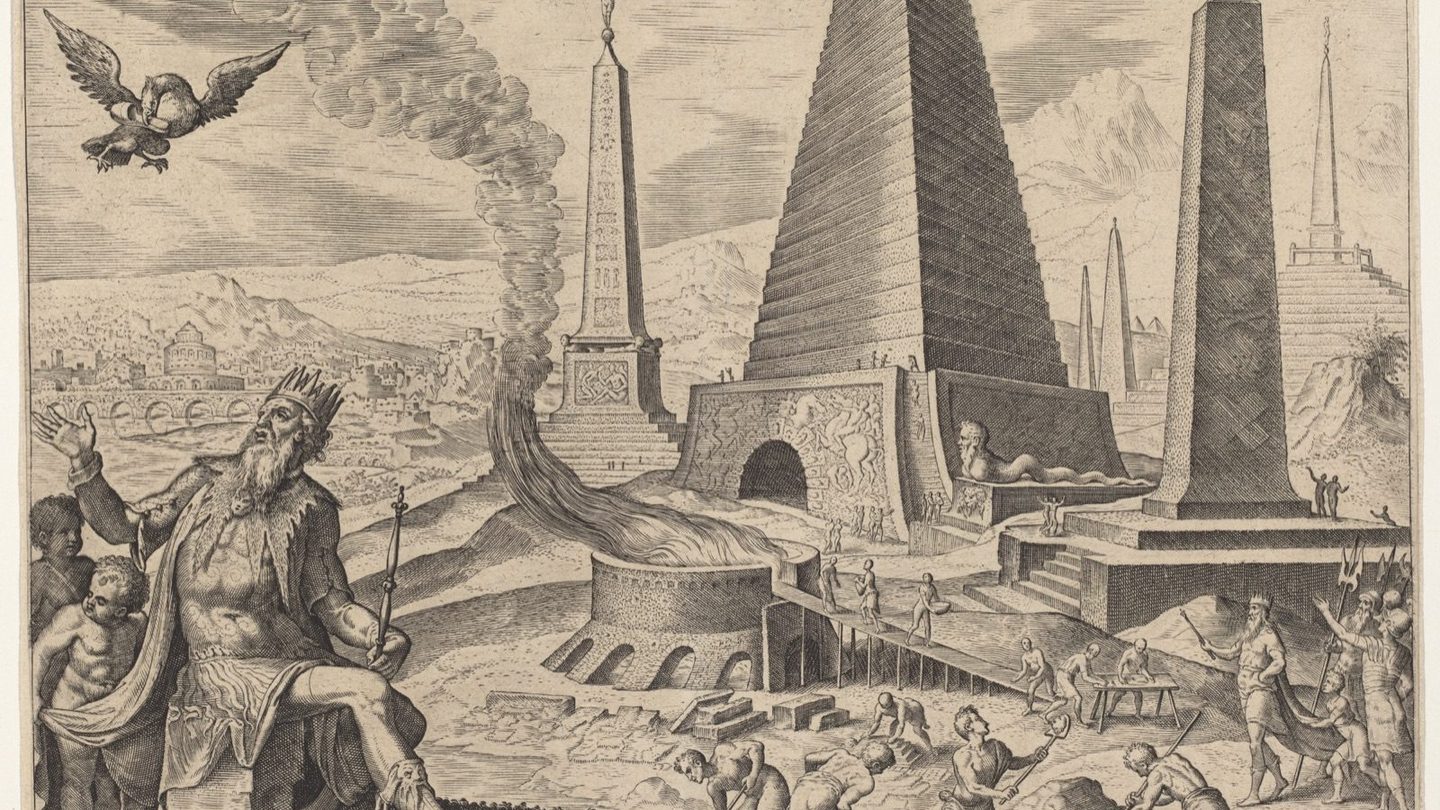
,_1572,_NGA_156116.jpg)
One phrase, two unrelated lists
Ask someone to name the Seven Wonders of the World and you'll usually get a confident answer. Ask a second person and you might get a completely different set of seven names, and both people will be right, because "Seven Wonders of the World" has referred to two separate, unrelated lists for about two decades now. One is ancient: the Great Pyramid of Giza, the Hanging Gardens of Babylon, the Statue of Zeus at Olympia, the Temple of Artemis at Ephesus, the Mausoleum at Halicarnassus, the bronze statue of Helios that once stood at Rhodes, and the Lighthouse of Alexandria. The other is modern: the Great Wall of China, Petra, Christ the Redeemer, Machu Picchu, Chichen Itza, the Colosseum, and the Taj Mahal, chosen by public vote and announced in 2007.
The two lists don't share a single winner. The Great Pyramid, the one entry you'd expect to appear on both, sits in an odd in-between category on the modern list that most people never hear explained. Getting the ancient list right also means untangling something stranger: even among ancient sources, the list of seven wasn't fixed from the start.
Two ancient writers, two versions
The idea of compiling famous sights into a set of seven goes back further than any surviving text. Herodotus, writing around 440 BCE, and Callimachus of Cyrene, a librarian at Alexandria in the 3rd century BCE, are both credited by later writers with having made lists of their own, but neither text survives. What we actually have starts with Philo of Byzantium's short treatise On the Seven Wonders, usually dated to around 225 BCE (its authorship is debated; some classicists refer to the writer as "Pseudo-Philo"). Philo opens with a case for why the list matters at all: only by exhausting yourself traveling the world would you see every wonder in person, and by the time you'd done that, he says, you would be old and worn down by the effort. Reading good descriptions, he argues, lets people "see those things with one's mind if not with one's eyes."
A century or so later, the poet Antipater of Sidon wrote a short epigram, preserved in the Greek Anthology, that became the version later writers kept copying. Both Philo's and Antipater's lists include the walls of Babylon. Neither includes the Lighthouse of Alexandria, the structure that shows up in nearly every modern retelling of the ancient seven.
The seven names people mean today
The version everyone reaches for now runs like this. The Great Pyramid of Giza, built for the pharaoh Khufu around 2560 BCE, is the oldest of the seven and the only one still standing. The Hanging Gardens of Babylon are the most disputed: no archaeological trace has ever been confirmed at Babylon itself. The Statue of Zeus at Olympia, a roughly 12.4-meter chryselephantine figure built by the sculptor Phidias around 435 BCE, was destroyed by fire, most likely in Constantinople in 475 CE after being relocated there. The Temple of Artemis at Ephesus was rebuilt at least twice after fires and floods before a final version was destroyed by a raiding Gothic fleet in 262 CE. The Mausoleum at Halicarnassus, tomb of the Persian satrap Mausolus and the origin of the word "mausoleum" itself, was gradually brought down by a series of earthquakes between the 12th and 15th centuries. The bronze statue of the sun god Helios that once towered over the harbor at Rhodes, roughly 33 meters tall, stood for only about 54 years before an earthquake snapped it at the knees in 226 BCE. The Lighthouse of Alexandria, at somewhere close to 100 meters one of the tallest structures in the ancient world, finally collapsed after a string of earthquakes between 1303 and 1480; some of its stone blocks were later reused in the Qaitbay Citadel that still stands on the site.
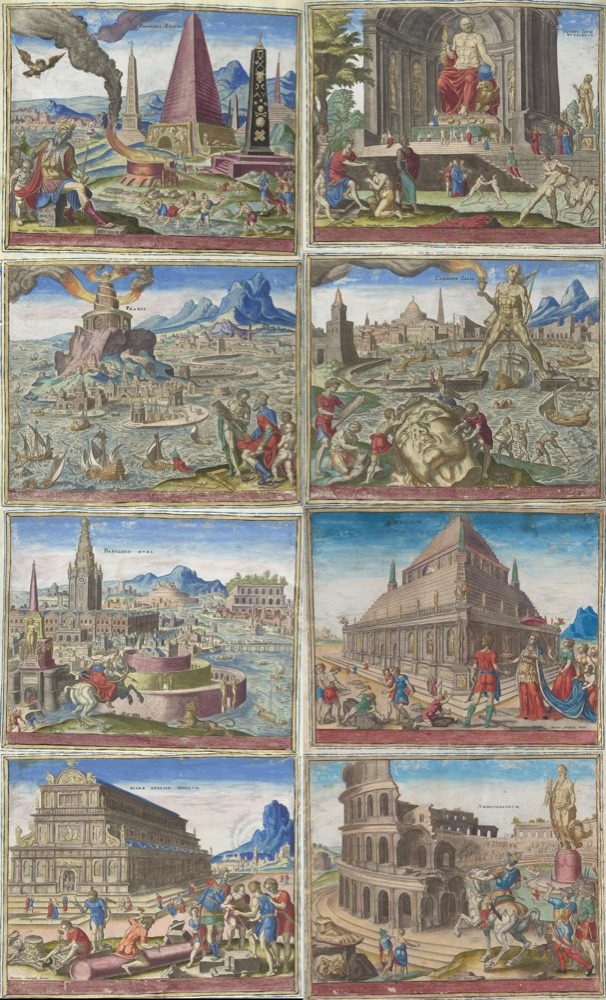
Long before any modern vote existed, one Renaissance artist had already quietly nominated an eighth wonder. In 1572 the engraver Philips Galle published a set of prints designed by the Dutch painter Maarten van Heemskerck, illustrating the traditional seven plus one extra: the Colosseum in Rome, shown in the ruined state it was actually in at the time. Heemskerck's own title for the series, Octo Mundi Miracula, means "Eight Wonders of the World." The Colosseum wouldn't get any kind of official recognition as a wonder for another 435 years, and when it finally did, it was through a process that had nothing to do with Heemskerck's engraving or with antiquity at all.

The wonder that got quietly swapped out
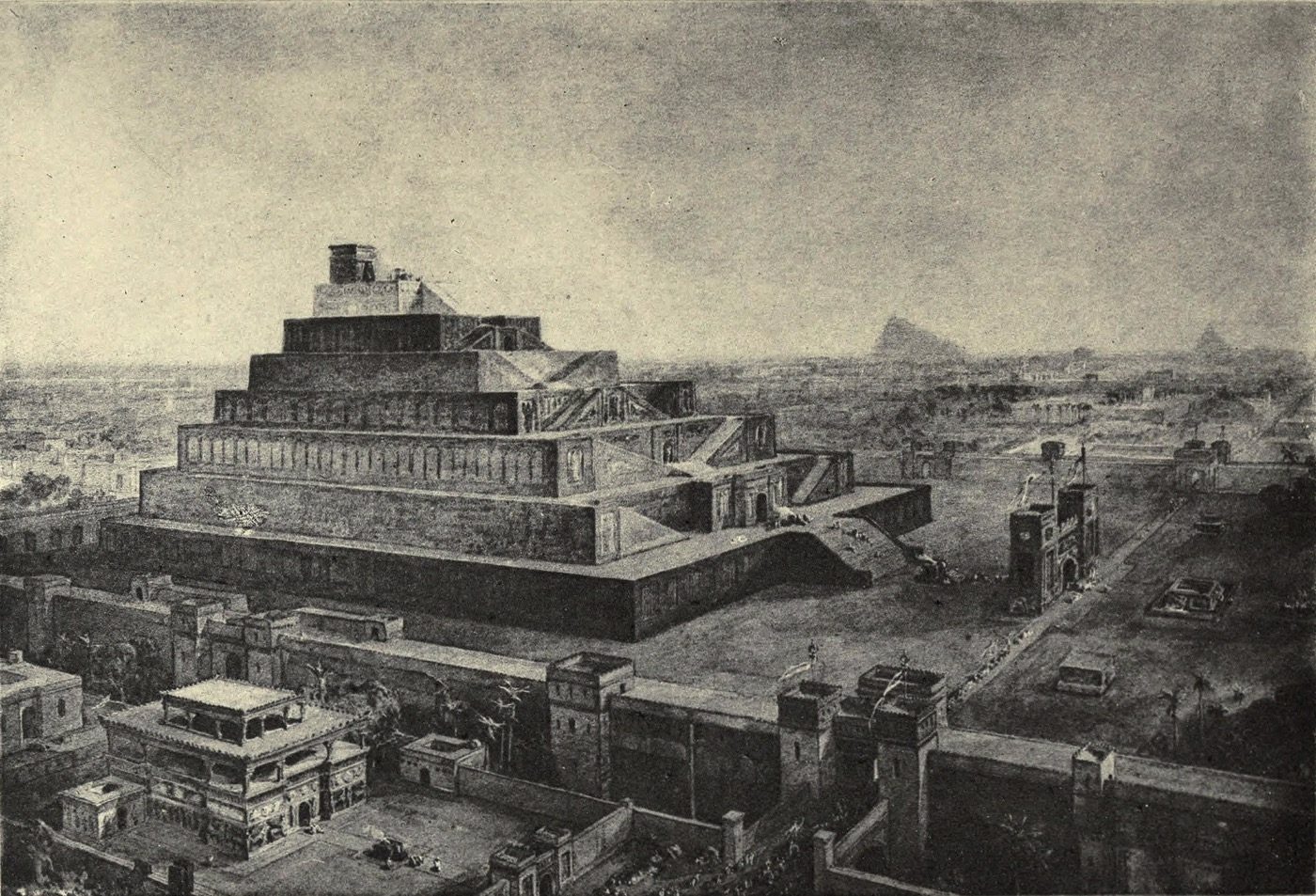
Both of the earliest surviving lists, Philo's and Antipater's, list the walls of Babylon rather than the Lighthouse of Alexandria. Herodotus described those walls as 50 royal cubits thick, something close to 24 meters, with a gap along the top wide enough, in his words, for a four-horse chariot to turn around in. Whether or not Herodotus was exaggerating (he likely never saw the walls at their peak himself), they were clearly built to sound almost impossible.
The swap happened gradually. By around the 8th century CE, the walls of Babylon had dropped out of most lists, and the Lighthouse of Alexandria, still standing and reportedly still visible from sea for tens of kilometers at that point, had taken its place. The version most people now think of as fixed and ancient is itself a later edit, made centuries after Philo and Antipater first wrote their lists down, by writers who simply updated the roster to match what was still standing in their own lifetimes.

A different, much newer Seven Wonders of the World
The modern list has nothing to do with antiquity at all. Between 2000 and 2007, a Swiss-based nonprofit called the New7Wonders Foundation, founded by the filmmaker and adventurer Bernard Weber, ran a global campaign asking the public to vote online or by phone for their favorite of 21 finalist monuments. The foundation eventually claimed more than 100 million votes, but the count was never scientific in any real sense: online voting was capped at one ballot of seven per person, while phone and SMS voting had no such limit, and voting cost money in most countries (roughly 2 rand, about 25 cents, per SMS in South Africa, with a cut going back to the foundation). Nothing stopped one person, or one coordinated national campaign, from voting hundreds of times.
UNESCO, the United Nations body responsible for the actual World Heritage List, issued a statement in July 2007 making clear it had no role in the campaign at all: despite having been invited to collaborate on several occasions, the organization stated there was no link whatsoever between its World Heritage programme and the New7Wonders vote. The confusion was understandable. "New7Wonders" sounds close enough to "World Heritage" that plenty of press coverage at the time treated the vote as if UNESCO had run it.
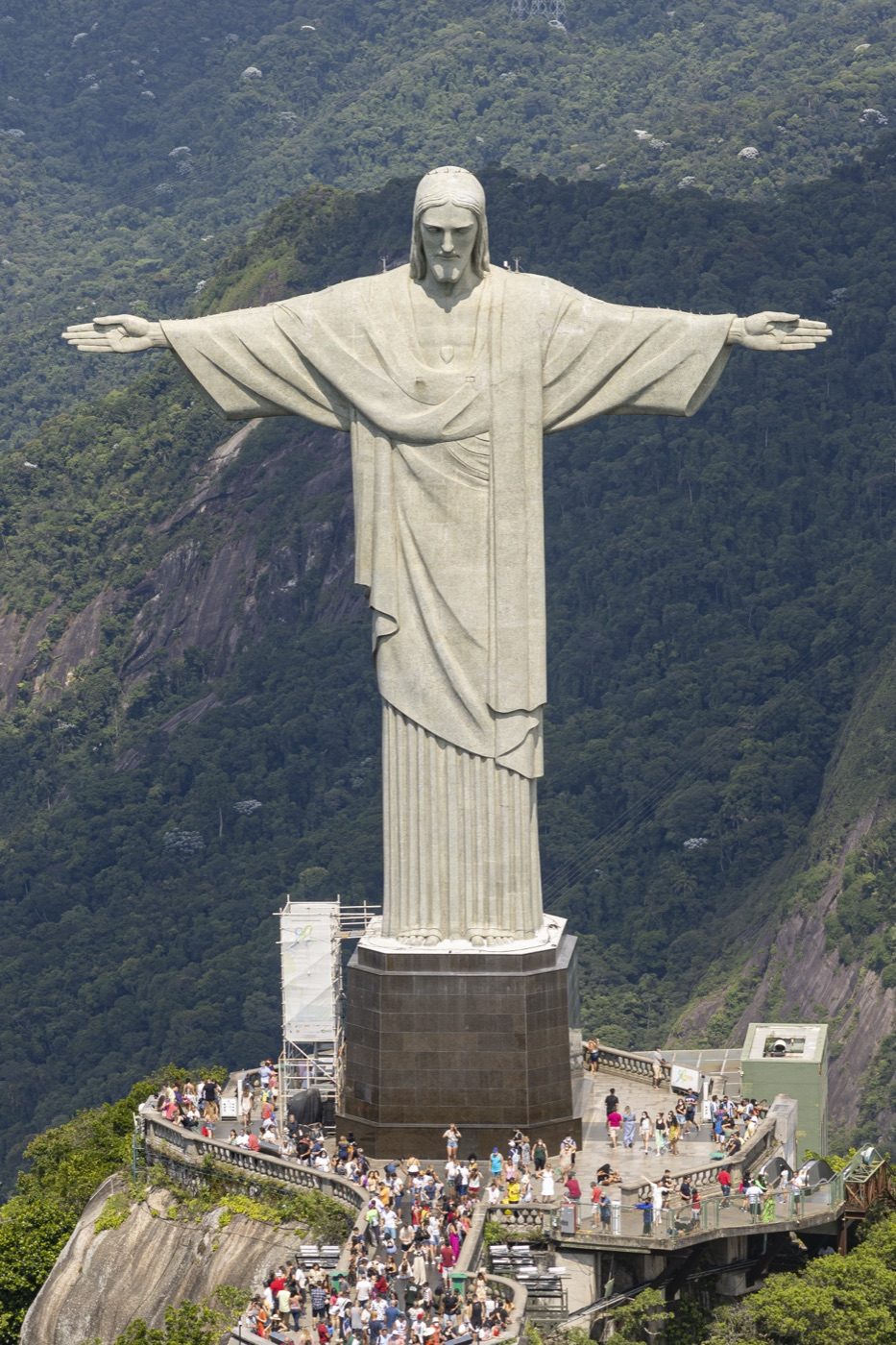
The Great Pyramid's place in all this is its own small saga. When Giza appeared among the 21 finalists, Egypt's Supreme Council of Antiquities, led by Zahi Hawass, objected to the country's only ancient wonder being subjected to a popularity contest at all. Rather than removing Giza from the campaign, the foundation created a new, non-competing category for it: "Honorary New7Wonders Candidate." That is why the Great Pyramid appears on New7Wonders promotional material without ever having actually won the 2007 vote. The seven that did win were the Great Wall of China, Petra, Christ the Redeemer, Machu Picchu, Chichen Itza, the Colosseum, and the Taj Mahal, giving the Colosseum the honor it had been unofficially carrying around in Heemskerck's engravings since 1572.

So which "Seven Wonders" does someone mean?
There's no universal rule, but context usually gives it away. History and mythology writing defaults to the ancient list almost automatically, the same way a reference to "the gods" in a Greek context defaults to Zeus, Athena, and Poseidon rather than any other pantheon. Travel writing leans modern, partly because six of the New7Wonders can still be visited today and only one of the ancient seven can. When a source doesn't specify which list it means, that's usually a sign the writer hasn't looked into the distinction closely enough to know there's a choice to make in the first place, which is a strange gap for a phrase this famous to have.
The two lists will probably keep getting mixed up in casual conversation indefinitely. But they were compiled roughly two thousand years apart, by completely different people, for completely different reasons, and knowing that is most of what's needed to stop conflating them.